
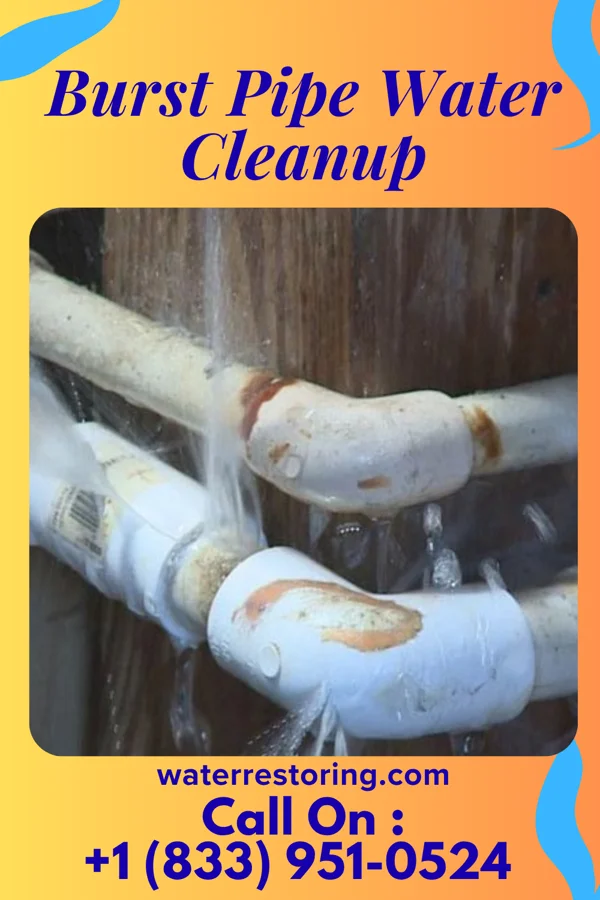
Why Burst Pipes Hit Riverside Hard
The pattern in Riverside is consistent. Riverside, New York, located in Suffolk County, experiences a mix of rural and suburban environments where older infrastructure is common. The area's proximity to coastal regions can lead to increased moisture exposure, which may weaken pipes over time, especially in homes with aging plumbing systems. drives most of the emergency restoration calls we get. A close second is The presence of numerous small towns like Flanders, Aquebogue, and Baiting Hollow in the vicinity means that residential areas often share underground utility lines. This interconnected system can increase the risk of widespread pipe bursts during extreme weather events or temperature fluctuations..
Riverside's coastal climate and high humidity levels create an environment where pipe corrosion and water damage are more likely to occur. The area's proximity to the Long Island Sound also means that saltwater intrusion can affect underground water systems, increasing the risk of unexpected pipe failures.
Riverside's coastal climate and high humidity levels create an environment where pipe corrosion and water damage are more likely to occur. The area's proximity to the Long Island Sound also means that saltwater intrusion can affect underground water systems, increasing the risk of unexpected pipe failures. The dominant local driver is Riverside, New York, located in Suffolk County, experiences a mix of rural and suburban environments where older infrastructure is common. The area's proximity to coastal regions can lead to increased moisture exposure, which may weaken pipes over time, especially in homes with aging plumbing systems., with The presence of numerous small towns like Flanders, Aquebogue, and Baiting Hollow in the vicinity means that residential areas often share underground utility lines. This interconnected system can increase the risk of widespread pipe bursts during extreme weather events or temperature fluctuations. showing up as the next most common cause. Damage builds in stages. Spread. Absorption. Microbial growth. Structural compromise. Every stage you pass through adds to the final bill.